
Observatório do Estado Laico

Mission

To strengthen the secular natureof the Brazilian State and, indoing so, advance equality,diversity, and democracy.

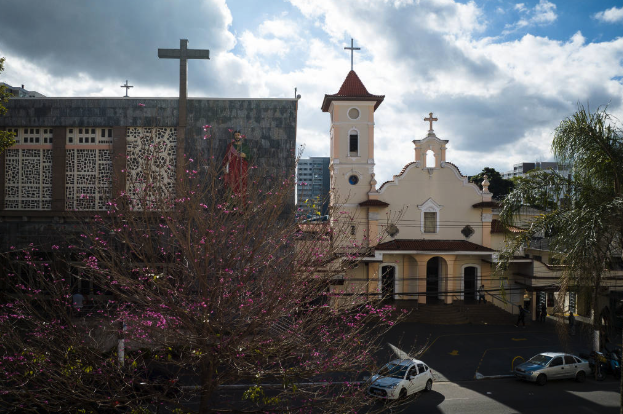
Secularism ensures that the State neither privileges nor discriminates against individuals on the basis of their beliefs. It also requires that public policies be grounded in public reasons consistent with the rule of law, rather than in religious dogma. By ensuring the neutrality of public institutions toward different worldviews, secularism protects freedom of conscience and religion, equality among citizens, and the pluralism that sustains a democratic society.

Collage of diverse people, public buildings, and documents representing pluralism in the public sphere

Objectives

Scientific Research

To produce empirical and normative knowledge on secularism, religious freedom, and the relationship between the State and religion. The OEL seeks to develop interdisciplinary research that helps deepen our understanding of how religious freedom is protected, where tensions with other rights arise, and how public authorities engage with different groups and worldviews. This research will provide the evidence and arguments that inform and support the Observatory’s other areas of work.


Monitoring

To systematically monitor public authorities’ actions and policies in their relationships with religious organizations, practices, and interests. The OEL aims to identify and analyze laws, decrees, and other regulatory measures at different levels of government, looking for patterns of alignment, preferential treatment, or unequal treatment between the State and religious groups. In doing so, the Observatory seeks to bring potential violations of secularism to light and produce evidence on how these relationships are structured and how they evolve over time.

Advocacy

To contribute to the improvement of laws, public policies, and institutional decisions related to secularism and freedom of conscience and religion. Drawing on the evidence produced through its research and monitoring activities, the OEL seeks to identify problems and opportunities for intervention and bring evidence-based technical arguments into decision-making spaces through legal and institutional advocacy.

Our team

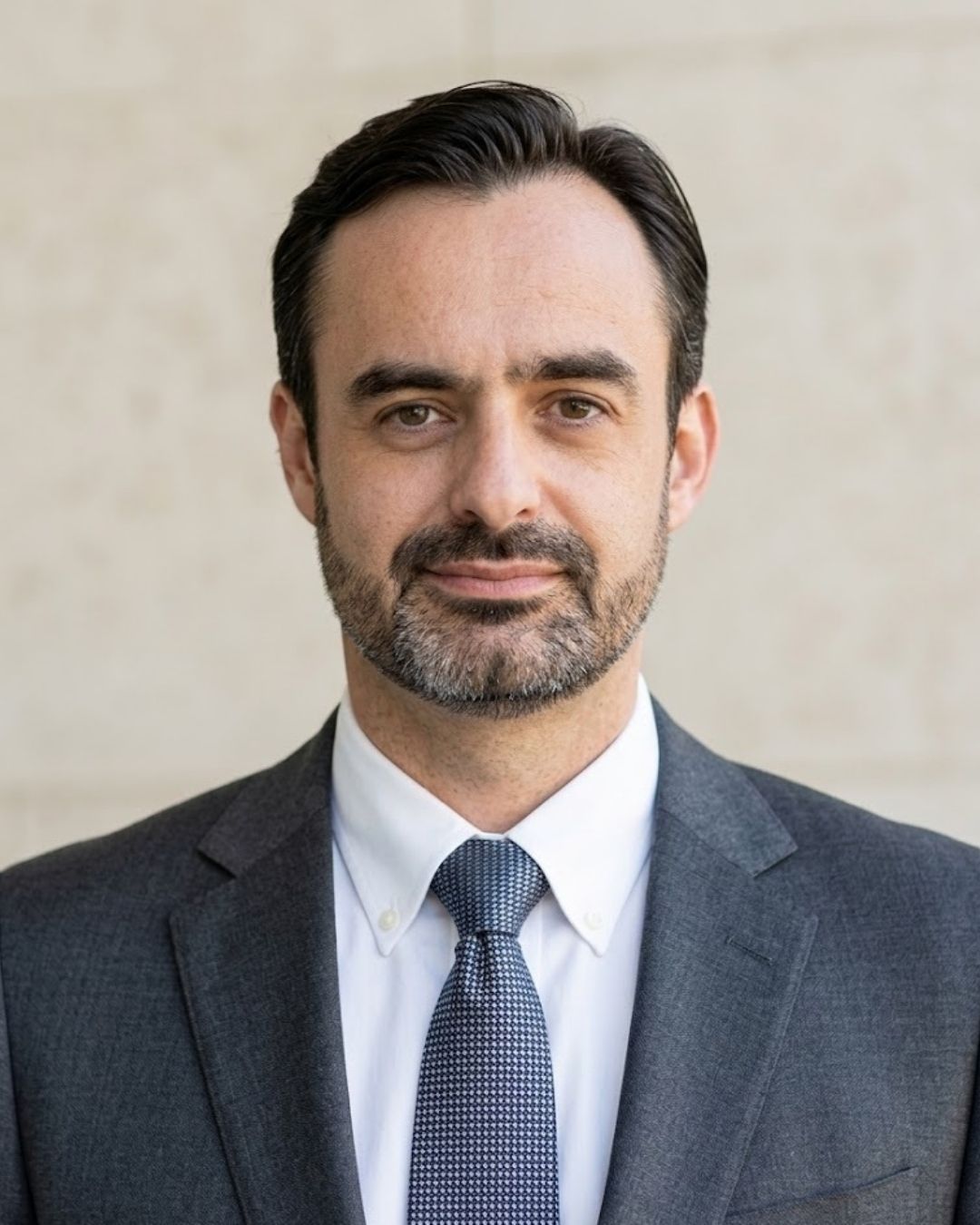
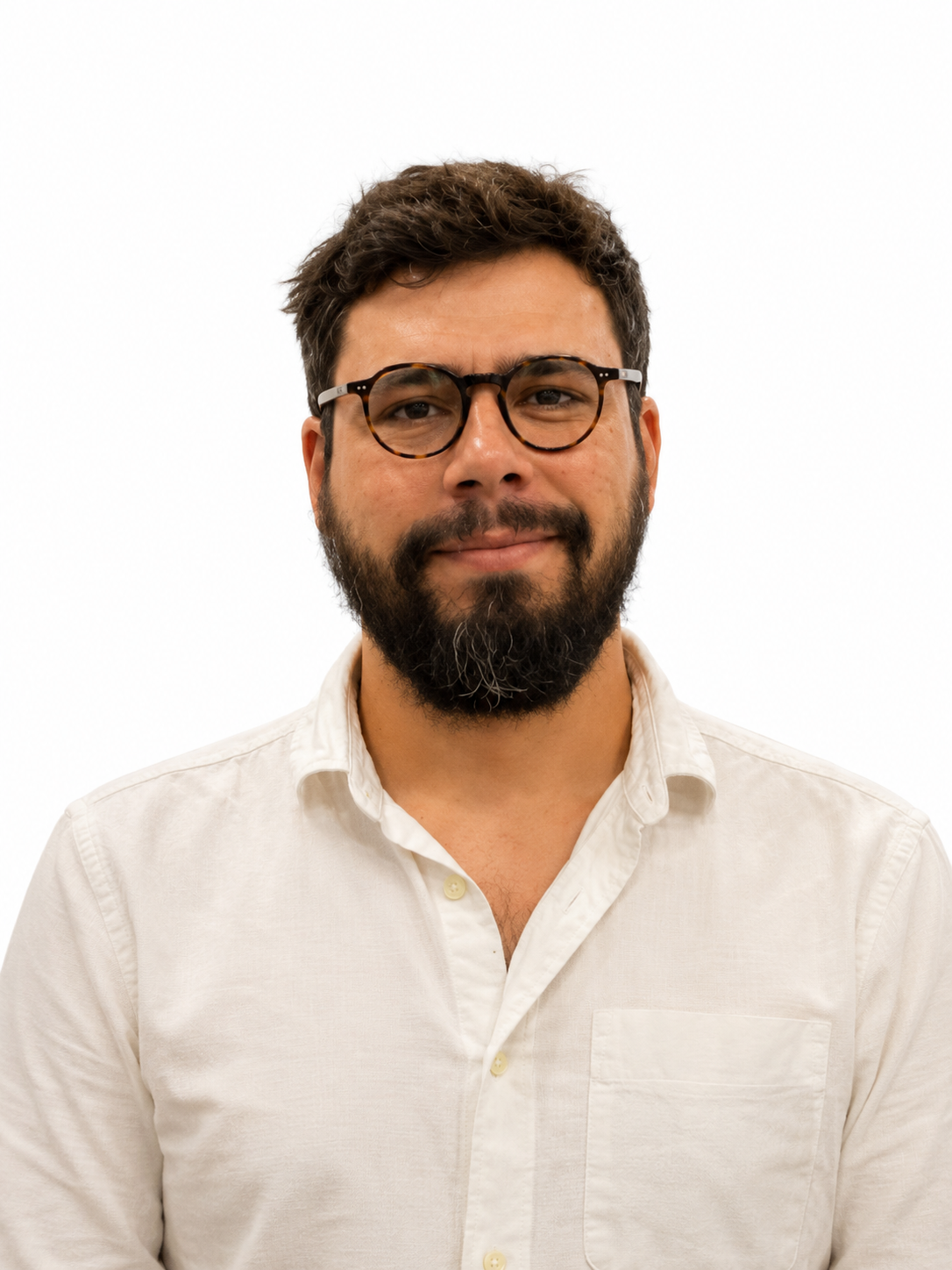
Raphael CorbiProfessor of Economics at FEA-USP and a visiting researcher at the Abdul Latif Jameel Poverty Action Lab (J-PAL). He holds a PhD in Economics from London Business School. Co-founder of CERP, his research focuses on religion, behavior, and public policy.
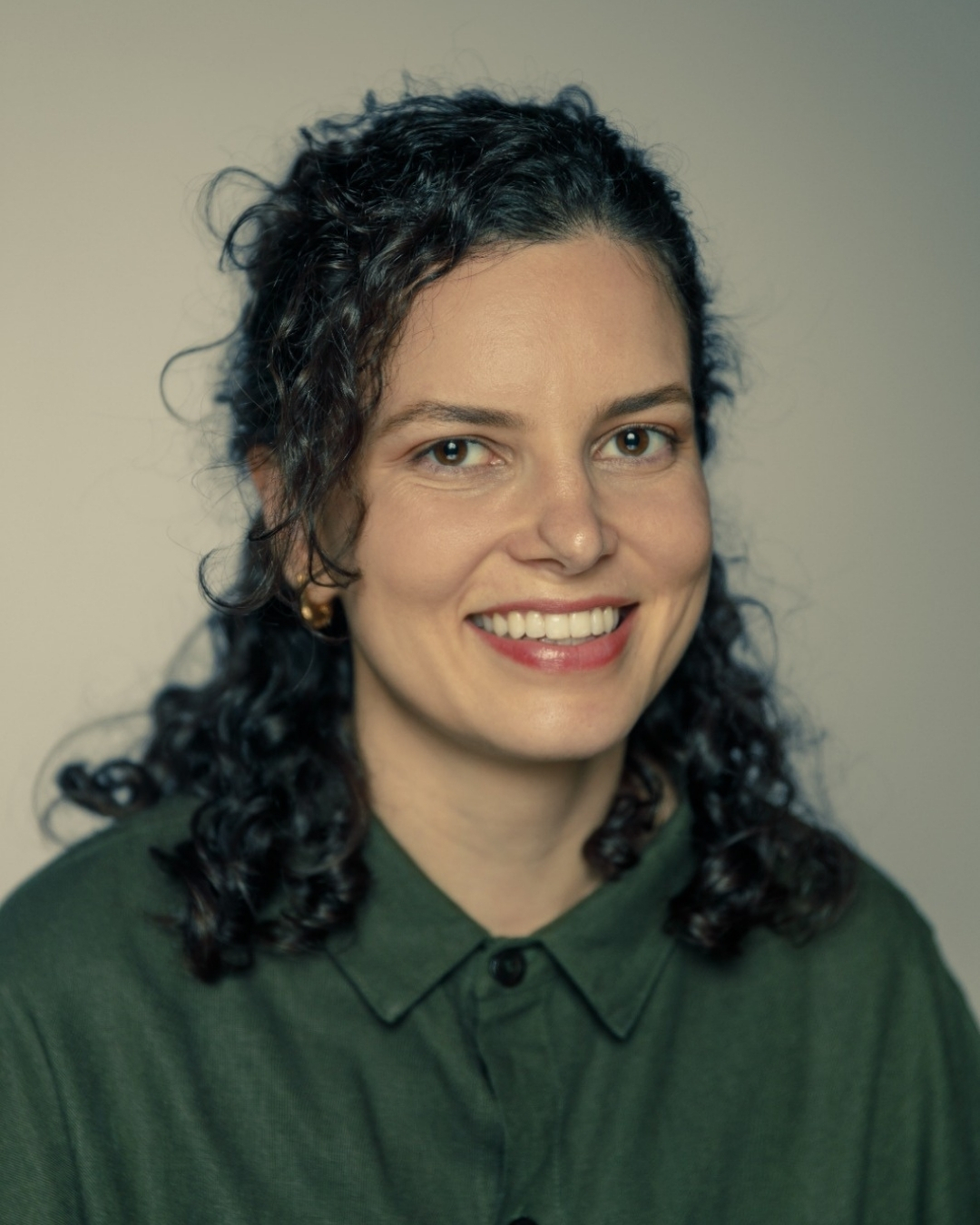
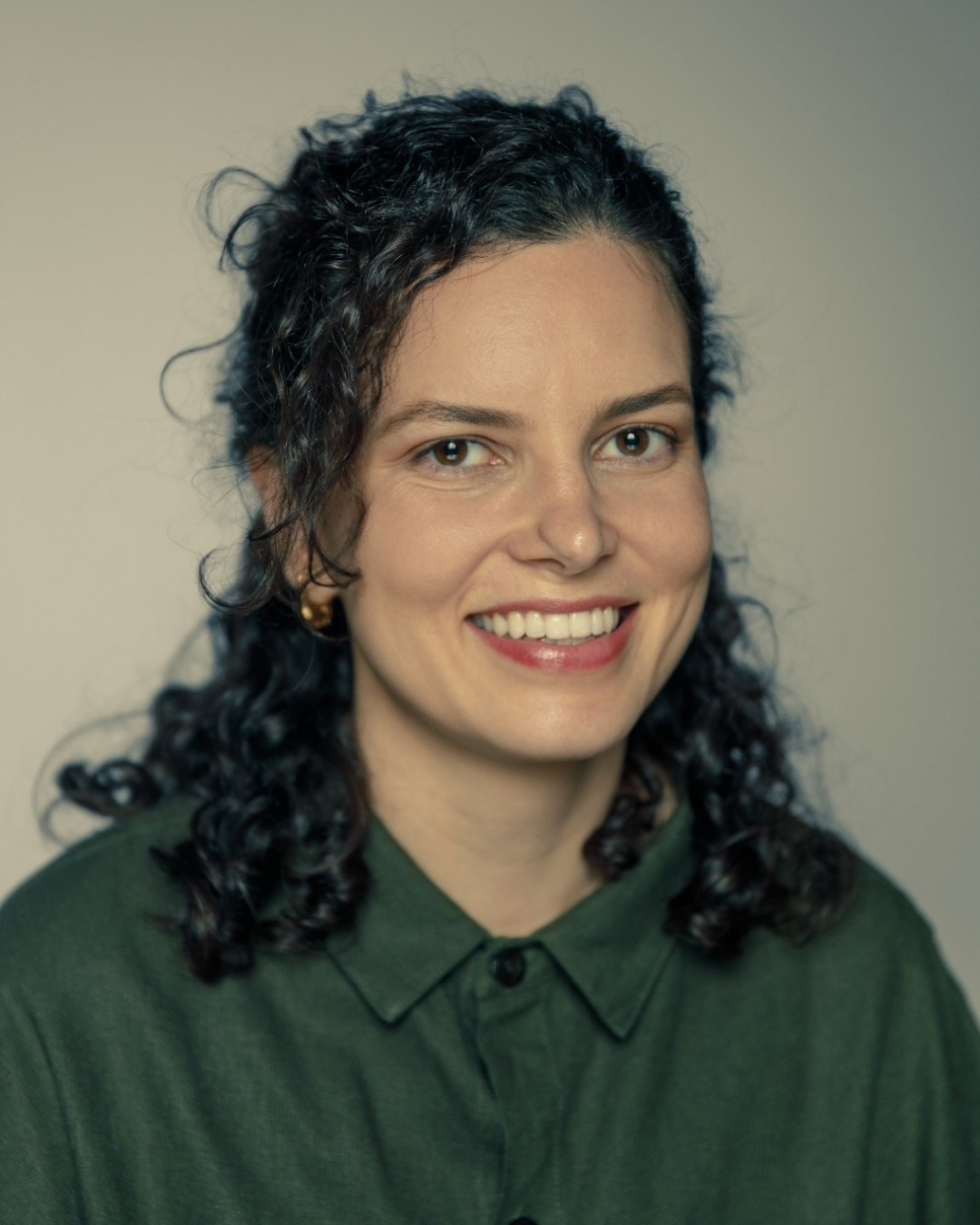
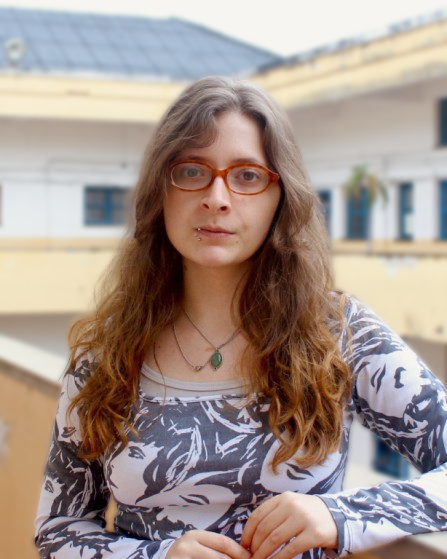
Meliza FrancoLawyer. She holds a PhD in Public Law from the University of São Paulo (USP), a Master’s degree in Constitutionalism and Democracy, and a Law degree from the Southern Minas School of Law (FDSM).
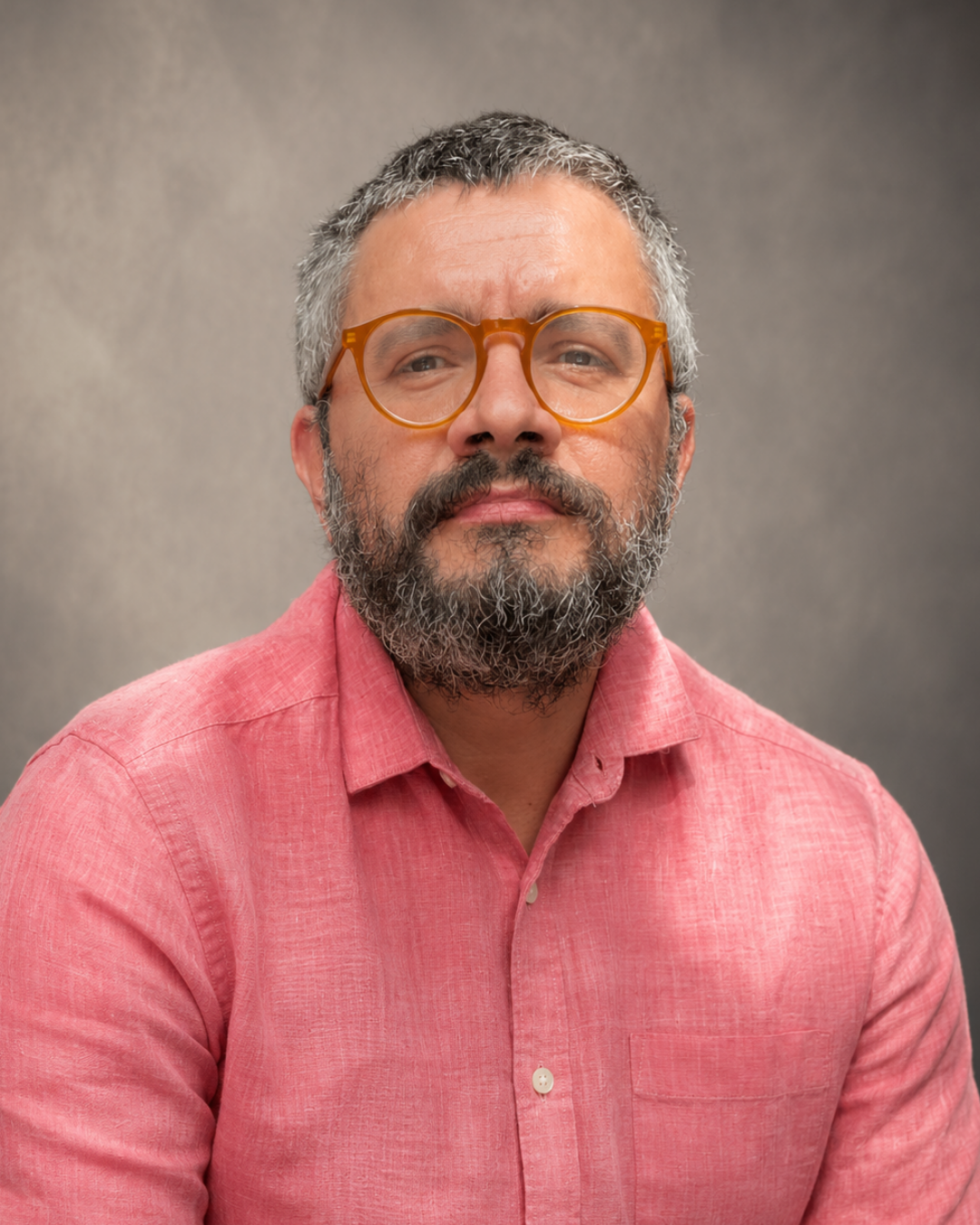
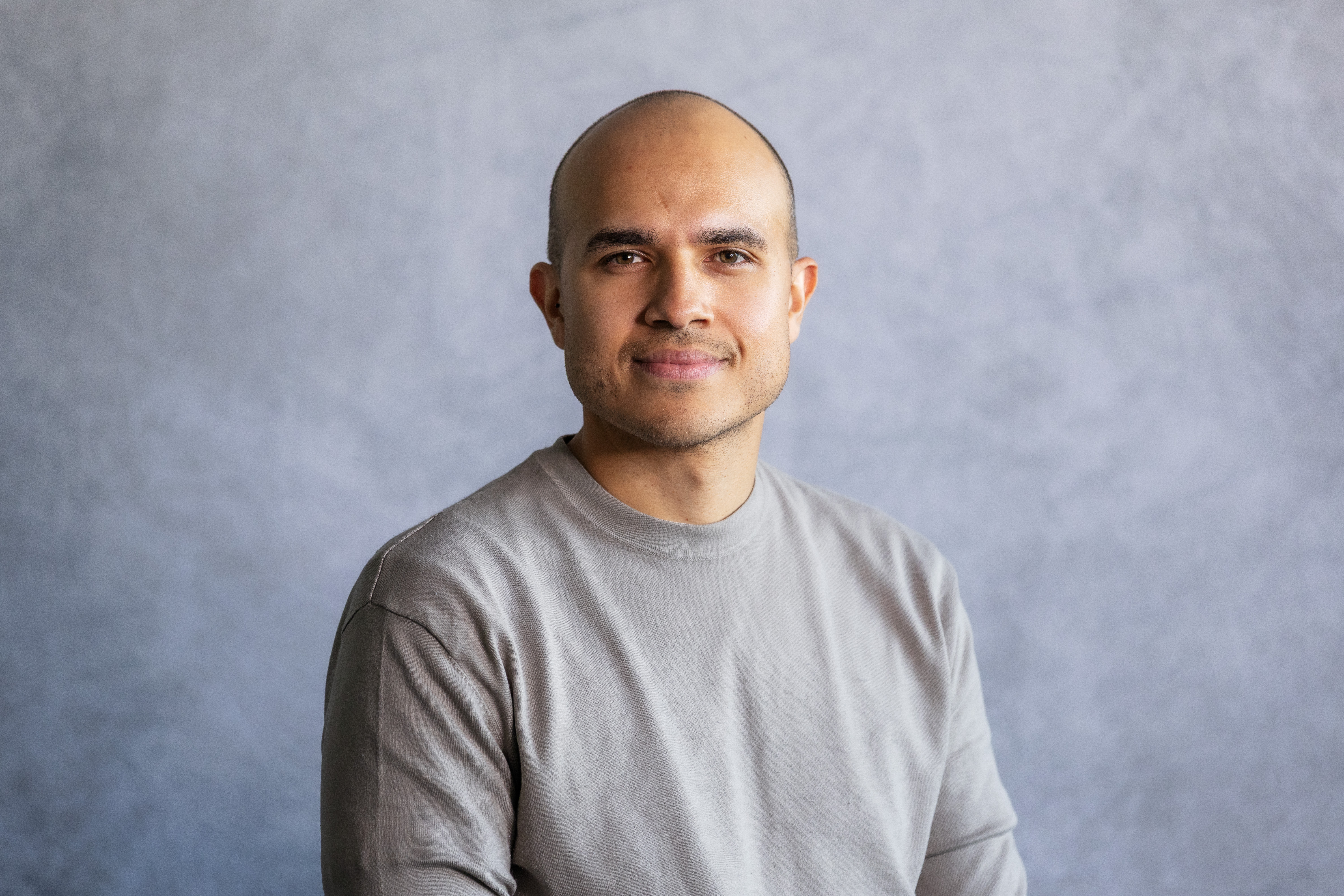
Fábio MiessiHe holds a PhD in Economics from the London School of Economics. Co-founder of CERP, he conducts applied economics research on religion and public policy.
Founders

Raphael Corbi

Professor of Economics at FEA-USP and a visiting researcher at the Abdul Latif Jameel Poverty Action Lab (J-PAL). He holds a PhD in Economics from London Business School. Co-founder of CERP, his research focuses on religion, behavior, and public policy.

Meliza Franco

Lawyer. She holds a PhD in Public Law from the University of São Paulo (USP), a Master’s degree in Constitutionalism and Democracy, and a Law degree from the Southern Minas School of Law (FDSM).

Fábio Miessi

He holds a PhD in Economics from the London School of Economics. Co-founder of CERP, he conducts applied economics research on religion and public policy.

Management

Meliza Franco

Executive Director

Advisory Council

RODRIGO TONIOL — Advisory Board Member

Professor of Anthropology at the Federal University of Rio de Janeiro (UFRJ). Member of the Brazilian Academy of Sciences. Former President of the Latin American Association of Social Scientists of Religion. Columnist for Folha de S.Paulo.

Victor Araújo — Board Adviser

Professor of Comparative Politics and Public Policy at the University of Reading. PhD in Political Science from the University of Zurich (UZH). His research focuses on religion, political behavior, and elections in Brazil and Latin America.

Researchers

Renato Nigro — Associate Researcher

Federal Judge in Campinas and holds a Master’s degree in Education from the University of Campinas (Unicamp), with a dissertation on the protection of religious freedom in the Brazilian educational context. His research, publications, and training activities focus on state secularism, freedom of conscience and belief, religious diversity, and combating intolerance and religious racism, with a particular interest in the relationship between religion, law, and the public sphere.

Meliza Franco

Researcher

Raphael Corbi

Researcher

Fábio Miessi

Researcher

DANIELE THOMAZ — Researcher

M.A. and Ph.D. candidate in Anthropology at the Federal University of Rio de Janeiro (UFRJ). Holds a B.A. in Social Sciences from the same institution. Researcher in the sociology and anthropology of religion, affiliated with the Passagens Research Group (UFRJ).