
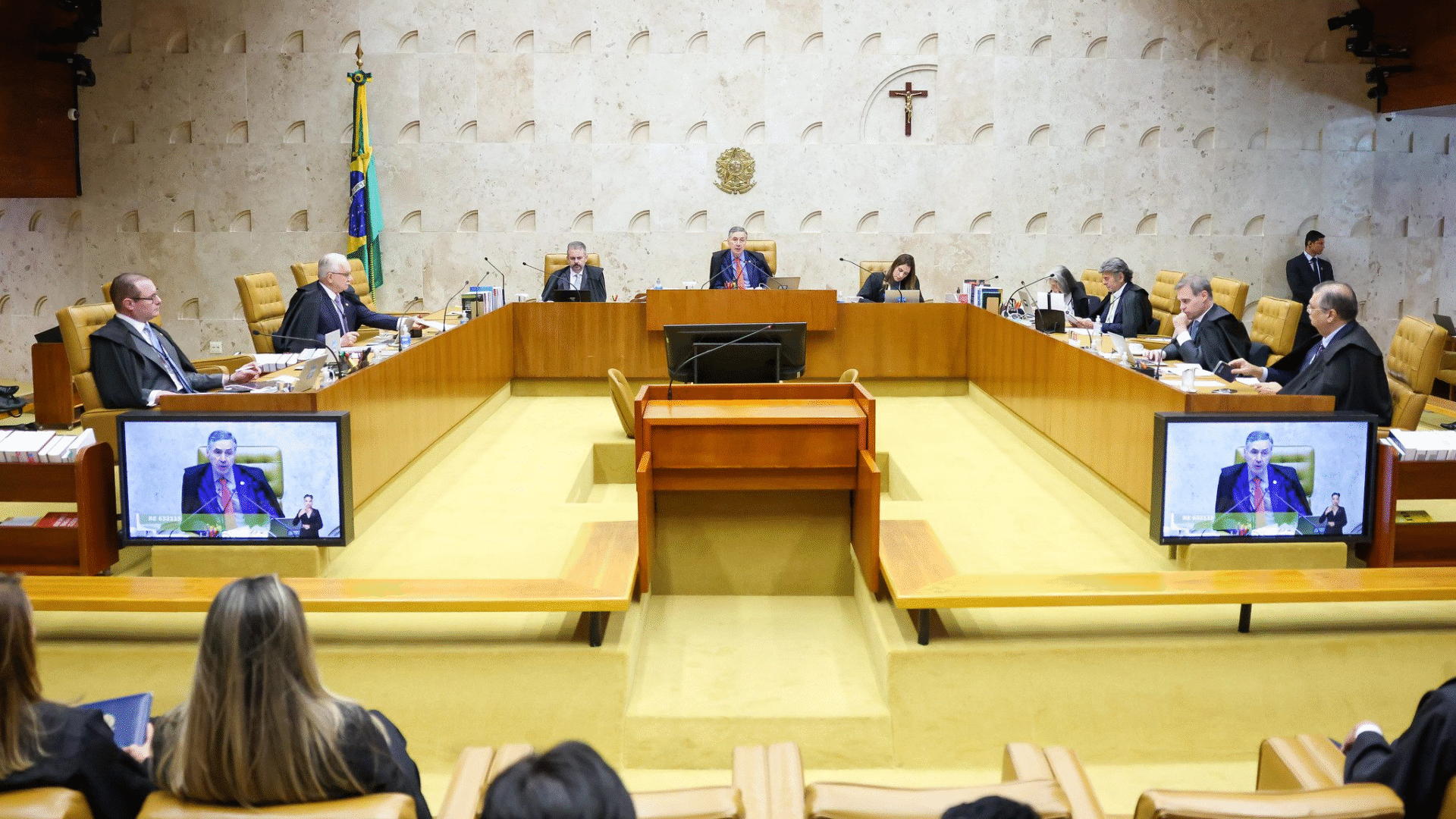
ADI 5255 challenges a law from Rio Grande do Norte requiring at least ten copies of the Bible in every state public library. Brazil’s Office of the Prosecutor General questioned the rule on the grounds that it violates the constitutional principle of State secularism.
The case raises a question broader than the composition of a library collection: may the State use public resources and authority to guarantee a privileged place for one specific sacred text? For Meliza Franco, the answer should be no.
Equality is about more than access
The argument that other religious books could also be included in libraries does not eliminate the privilege created by the legal requirement. The Bible receives a State guarantee that is not offered on equal terms to texts from other religions—or to traditions whose transmission is not organized around a single sacred book.
Freedom of belief protects individual and collective choices. Secularism, in turn, requires public authorities not to turn the majority religious tradition into an official reference, even when reading the text is not compulsory.
The precedent matters
Earlier decisions by Brazil’s Federal Supreme Court have already recognized constitutional problems in similar laws. A change in approach could make room for new rules that deepen confessional presence in libraries, schools, and other public settings.
Preserving State neutrality does not mean erasing religion from social life. It means ensuring that no belief receives a position superior to others from the State—an indispensable condition for equality and freedom of conscience.
This page presents the Observatory’s editorial content in a reading format.
View original publication